Fortnite Maker Epic Games Hits Back at Pirates of the Caribbean Director Who Blamed Unreal Engine for Bad CGI in Modern Movies


Fortnite maker Epic Games has hit back at a claim by Pirates of the Caribbean director Gore Verbinski that the company’s Unreal Engine toolset should be blamed for modern movie CGI looking bad — via a response from its VFX supervisor who actually worked on the first three Pirates films.
In an interview with ButWhyTho.net, Verbinski was asked why he believed visual effects in movies had changed for the poorer over the past 15 years — since he directed the first three Pirates of the Caribbean films, which are notable for including the acclaimed CGI character Davy Jones.
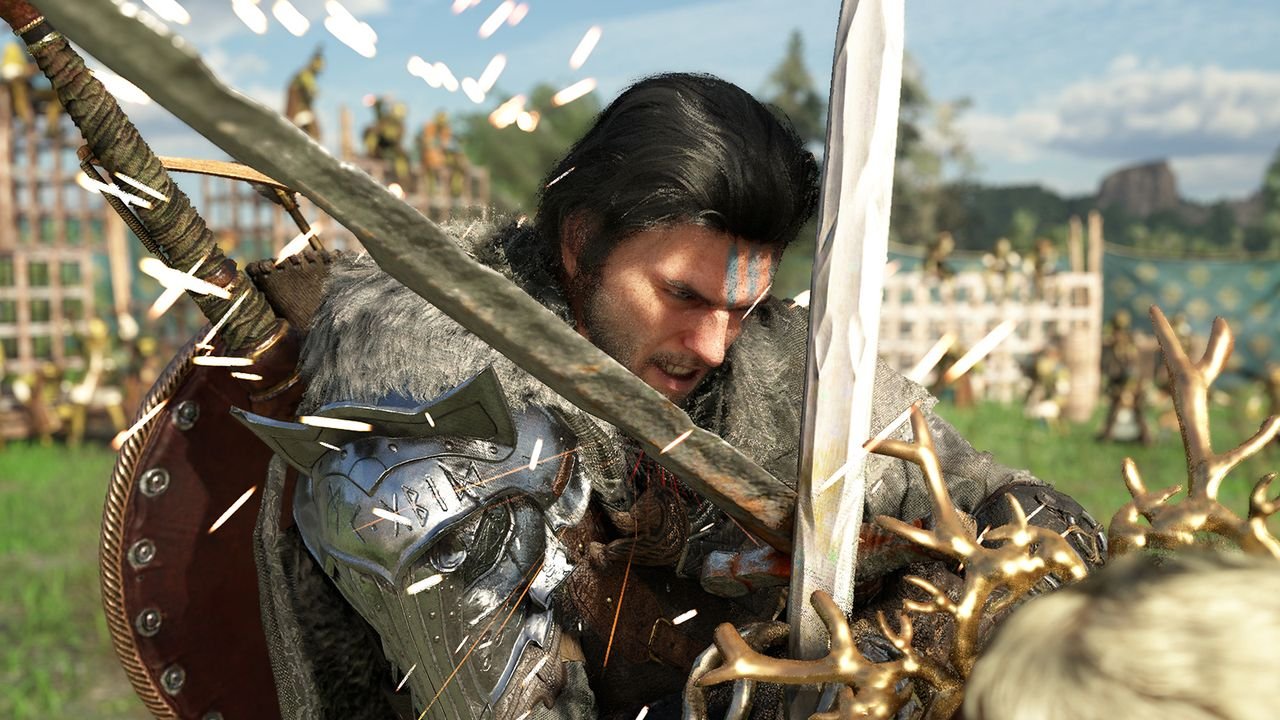
Responding to the question, Verbinski put the blame squarely on Unreal Engine, the near-ubiquitous toolkit used by game developers across the globe that also now has an increasing presence in film production — particularly in on-set visualization.
“I think the simplest answer is you’ve seen the Unreal gaming engine enter the visual effects landscape,” Verbinski began. “So it used to be a divide, with Unreal Engine being very good at video games, but then people started thinking maybe movies can also use Unreal for finished visual effects. So you have this sort of gaming aesthetic entering the world of cinema.”
Verbinski went on to discuss the declining use of physical miniatures rather than CGI — something that has been going on for a while, well before Unreal Engine became more associated with movie production — before criticizing Unreal Engine further for its rendering of light sources, which he claimed created an “uncanny valley” effect.
“I just don’t think it takes light the same way,” he said. “I don’t think it fundamentally reacts to subsurface, scattering, and how light hits skin and reflects in the same way. So that’s how you get this uncanny valley when you come to creature animation, a lot of in-betweening is done for speed instead of being done by hand.”
IGN contacted Epic Games for its take on Verbinski’s comments, and received a statement from the company’s VFX supervisor Pat Tubach in response. Tubach joined Epic Games in 2022 following a lengthy career at ILM, working on everything from George Lucas’ 1971 classic THX 1138, as well as Armageddon, The Perfect Storm, Jurassic Park 3 and 1999’s The Mummy.
Tubach has a strong knowledge of modern movies too, having worked on Star Wars and Marvel entries including The Force Awakens and the first Avengers, numerous Harry Potter films, Pixar’s beloved WALL-E and… Gore Verbinski’s original Pirates of the Caribbean trilogy.
“It’s inaccurate for anyone in the industry to claim that one tool is to blame for some erroneously perceived issues with the state of VFX and CGI,” Tubach told IGN. “It’s true that there are a lot more people making computer graphics than ever before, and with that scale comes a range of successes and failures – but aesthetic and craft comes from artists, not software.
“Unreal Engine is primarily used for pre-visualization, virtual production, and in some cases final pixels. I can guarantee that the artists working on big blockbuster VFX films like Pirates of the Caribbean 10-15 years ago could only dream about having a tool as powerful as Unreal Engine on their desks to help them get the job done — and I should know — I was one of them!”
Tubach worked as a digital compositor on the initial Pirates of the Caribbean film, The Curse of the Black Pearl, as a digital artist on sequel Dead Man’s Chest, and as production support on trilogy closer At World’s end. So, he would know.
Tom Phillips is IGN’s News Editor. You can reach Tom at tom_phillips@ign.com or find him on Bluesky @tomphillipseg.bsky.social